Myths vs. Facts: NeuroStar TMS Therapy in Miami – Casa Privée Debunks Common Fears
You’ve tried the medications. You’ve sat through therapy sessions. And still, that heavy fog of depression won’t lift. Then someone mentions TMS, and suddenly your mind jumps to scary images: hospital gowns, memory loss, maybe even those old black and white “shock therapy” clips.
We get it. At Casa Privée, we hear these worries every single week. So let’s walk through the most common myths about NeuroStar TMS Therapy in Miami – and replace them with facts that might just surprise you.
Myth #1: “TMS is basically the same as ECT (shock therapy).”
Fact: Not even close.
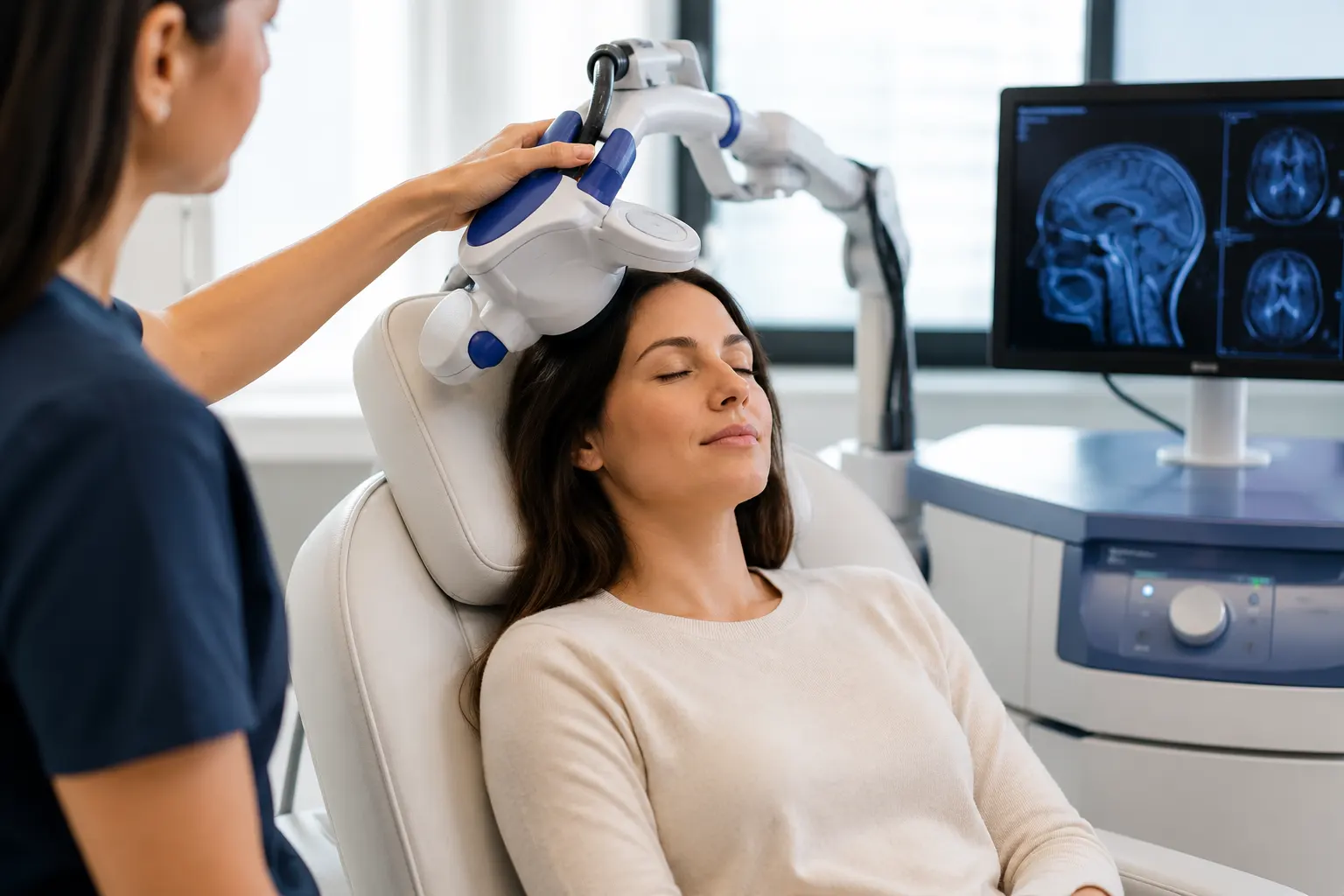
Electroconvulsive therapy (ECT) uses electricity to trigger a seizure while you’re under general anesthesia. NeuroStar TMS Therapy uses gentle, focused magnetic pulses, similar to what you’d get in an MRI. You stay wide awake, fully comfortable, and you can drive yourself home right after. No recovery room. No grogginess. Just a quick session and back to your day.
Myth #2: “It will damage my brain or change who I am.”
Fact: TMS doesn’t harm brain tissue – it wakes up underactive areas.
In depression, certain parts of the brain slow down. Think of them like a muscle that’s stopped firing. NeuroStar’s magnetic pulses gently stimulate those cells, encouraging neuroplasticity – the brain’s natural ability to rewire and heal. You don’t lose your personality. You don’t become numb. You simply start feeling more like yourself again.
Myth #3: “The treatment must be painful.”
Fact: Most patients describe it as a light tapping sensation.
During a session, you’ll feel a rhythmic tap on your scalp – like someone lightly flicking a finger against your head. Some people compare it to a woodpecker. A few feel mild scalp discomfort that fades after the first week. The vast majority just recline, scroll their phone, or watch a show. No needles. No anesthesia. No “pain” in the way you’re imagining.
Myth #4: “It’s still experimental and unproven.”
Fact: NeuroStar has been FDA‑cleared for over 15 years, with dozens of clinical trials.
More than four million TMS sessions have been performed worldwide. Insurance companies – including Medicare and many major plans – cover it for treatment‑resistant depression. This isn’t a fringe experiment. It’s a mainstream, evidence‑based option that’s helped thousands of people step out of the medication merry-go-round.
So what’s the real risk?
The most common side effect is a mild headache or scalp tenderness after the first few sessions. That’s it. No weight gain, no sexual side effects, no sedation. For someone who’s been battling depression for years, that trade‑off often feels like a miracle.
Ready to stop fearing and start exploring?
You don’t have to commit to anything. Casa Privée offers a no‑pressure conversation where we answer your specific questions about NeuroStar TMS Therapy in Miami – no white coats, no judgment, just honest help.
Call us or book your appointment. You’ve already survived the hardest part. Let’s see what relief feels like. Trust Casa Privee for your better mental health.
FAQs
1. What is NeuroStar TMS Therapy?
NeuroStar TMS Therapy is a non-invasive treatment that uses magnetic pulses to stimulate areas of the brain associated with mood regulation.
2. Is NeuroStar TMS Therapy the same as shock therapy?
No. TMS uses gentle magnetic stimulation and does not involve electrical shocks or induced seizures.
3. Does TMS therapy hurt?
Most patients feel only a mild tapping sensation on the scalp during treatment.
4. Do I need anesthesia for TMS therapy?
No. TMS is performed while you are awake and does not require anesthesia.
5. Can I drive after a TMS session?
Yes. Patients can typically return to normal activities immediately after treatment.
6. Does TMS cause memory loss?
No. NeuroStar TMS Therapy is not associated with memory loss.
7. Is NeuroStar TMS FDA-cleared?
Yes. NeuroStar TMS Therapy is FDA-cleared for treating certain mental health conditions.
8. Who is a candidate for TMS therapy?
Individuals struggling with depression that has not improved with medication may be candidates.
9. What are the common side effects of TMS?
Mild headache or scalp discomfort are the most commonly reported side effects.
10. Why choose Casa Privée for NeuroStar TMS Therapy in Miami?
Casa Privée offers personalized care, advanced treatment options, and compassionate support throughout the recovery journey.

 The Best Autism Treatment in Miami for Toddlers and Young Children Casa Privee